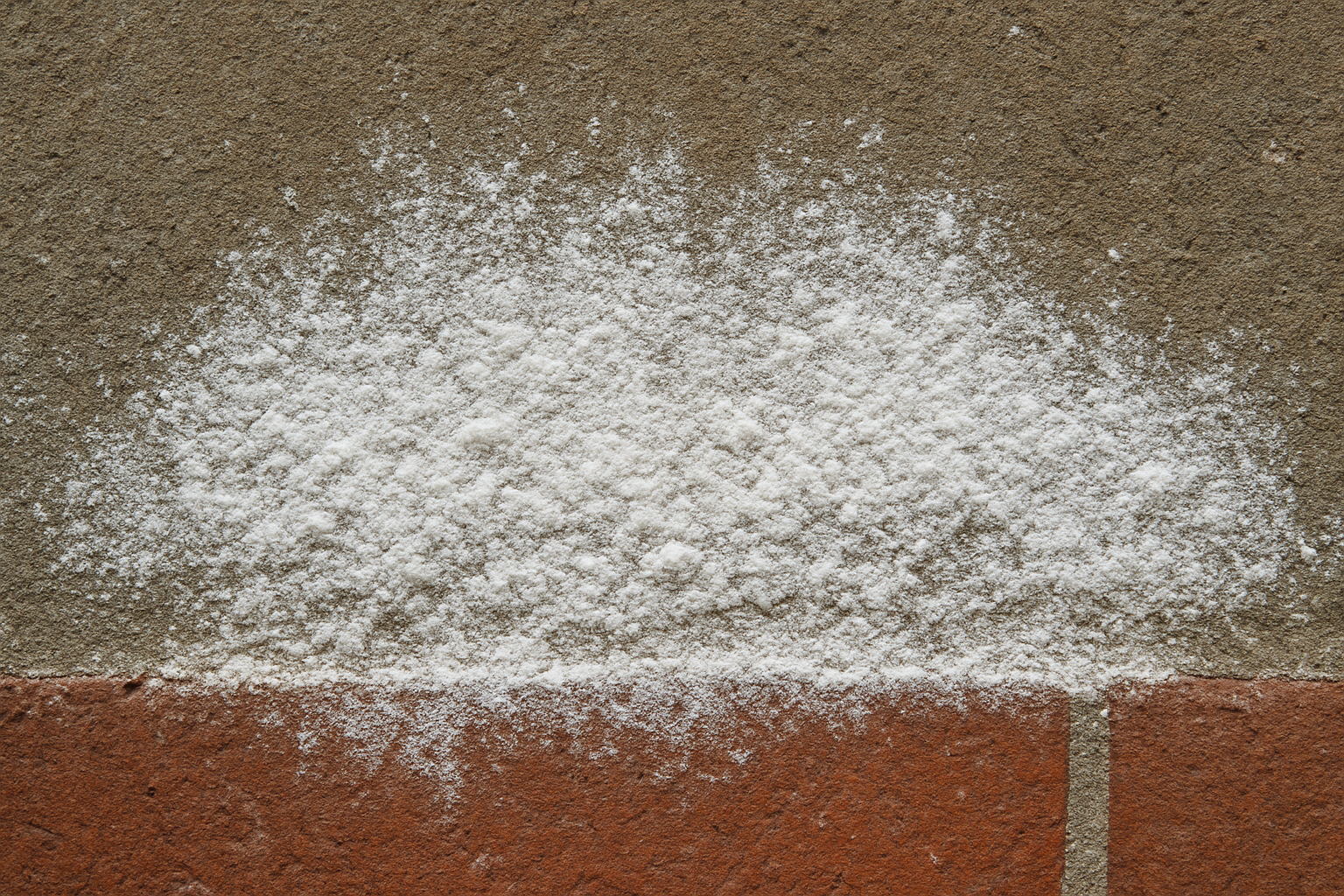
Efflorescence is a white, powdery substance found around building materials like concrete and brick. They are a common problem for homeowners in Singapore, especially landed homes.
While it is more of a cosmetic issue, the underlying cause can be an indication of larger problems. Here’s everything you need to know about efflorescence:
What Is Efflorescence?
Efflorescence is a white, powdery substance found on porous materials like brick, concrete or stone. It occurs when water passes through these materials, dissolving natural salts within the material.
When it reaches the surface and evaporates, these salts are left behind, forming that white residue.
What Causes Efflorescence?
Efflorescent forms due to the passage of water. This is caused by various reasons including:
Climate
Singapore’s humid and rainy climate makes it easy for moisture to penetrate porous materials. When heavy rain or high humidity seeps into walls or floors, it carries soluble salts to the surface. As the moisture evaporates, it leaves behind the white powder.
Poor Waterproofing
Inadequate or worn-out waterproofing is one of the biggest culprits. Cracks in walls or floors allow moisture to seep in. Over time, this constant moisture encourages salt migration, especially in older buildings or those without proper protective coatings.
Construction Moisture
Sometimes, efflorescence doesn’t appear right away. Water used during construction can remain trapped within the material. Once the structure is exposed to the sun or airflow, this trapped moisture slowly evaporates, bringing salts to the surface.
Leaking Pipes or Plumbing Issues
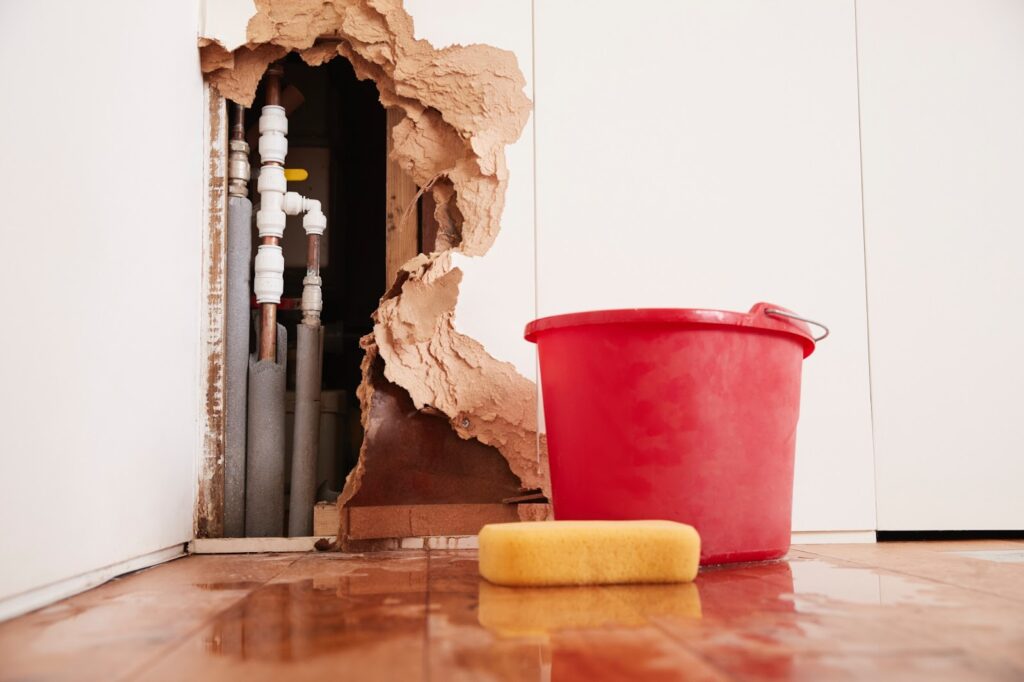
Hidden leaks behind walls or under floors can also lead to persistent dampness. Even a small, unnoticed leak can continuously introduce water into concrete or masonry. This slow process can eventually lead to recurring efflorescence problems.
Ground Moisture
For landed properties, water from the ground can rise into walls or floors. Without proper water proofing, this can cause visible efflorescence near skirting areas, garden walls or exterior pavements.
Common Areas Where Efflorescence Appears
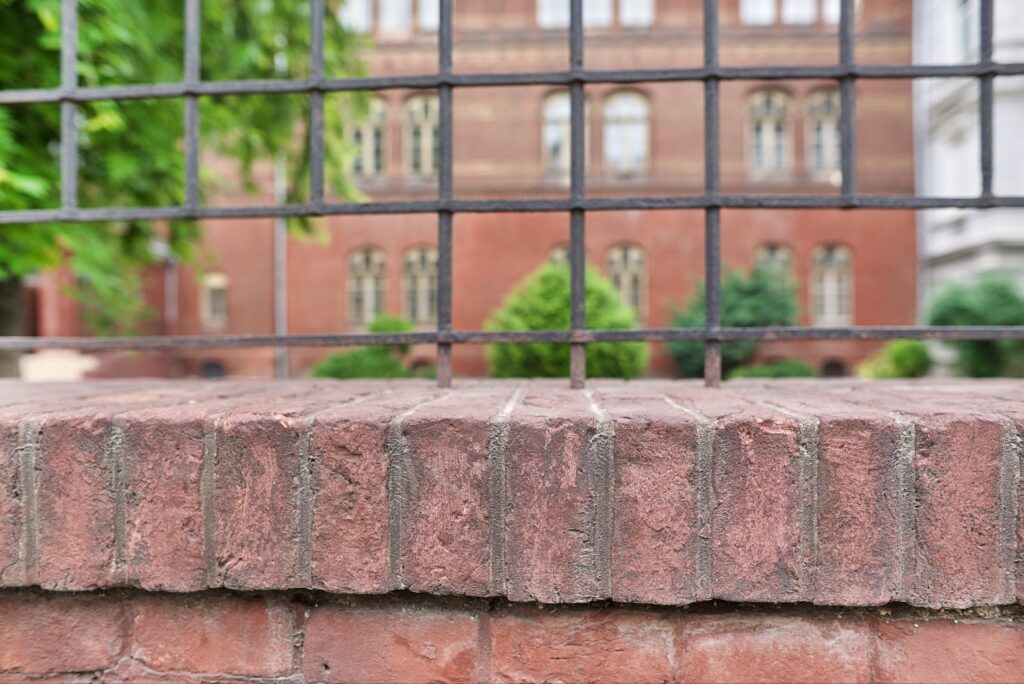
Exterior Walls: Exterior walls are the most common spots for efflorescence, especially when exposed to frequent rain or sunlight. When moisture seeps through the wall and dries up, it leaves behind white stains.
This is often seen on painted concrete or brick walls that don’t have proper waterproofing.
Balconies and Patios: Outdoor areas like balconies and patios are highly prone to efflorescence. Constant exposure to rainwater and puddles allows water to penetrate through the concrete or tile grout.
Over time, the water evaporates and pushes salts to the surface.
Bathroom and Toilet: Bathrooms are always exposed to water and humidity. Poor sealing can cause moisture to seep into the concrete layer beneath. When this moisture dries out, efflorescence can appear around the tiles, especially near the shower area.
That’s why waterproofing for the toilet and bathroom is highly recommended. This doesn’t just prevent efflorescence, but also potential leaks and costly structural damage.
Basement Walls and Floors: In landed properties, basements or underground car parks are also affected. Water from the surrounding soil can seep through the concrete walls due to pressure. This constant moisture can lead to efflorescence on walls and floors.
Driveways and Garden Walls: Driveways and garden walls often show efflorescence because of their exposure to rain and groundwater. Water rises through the concrete or brickwork and leaves behind a chalky residue after evaporation.
This is particularly common in older homes or those with inadequate surface drainage.
Is Efflorescence Harmful?
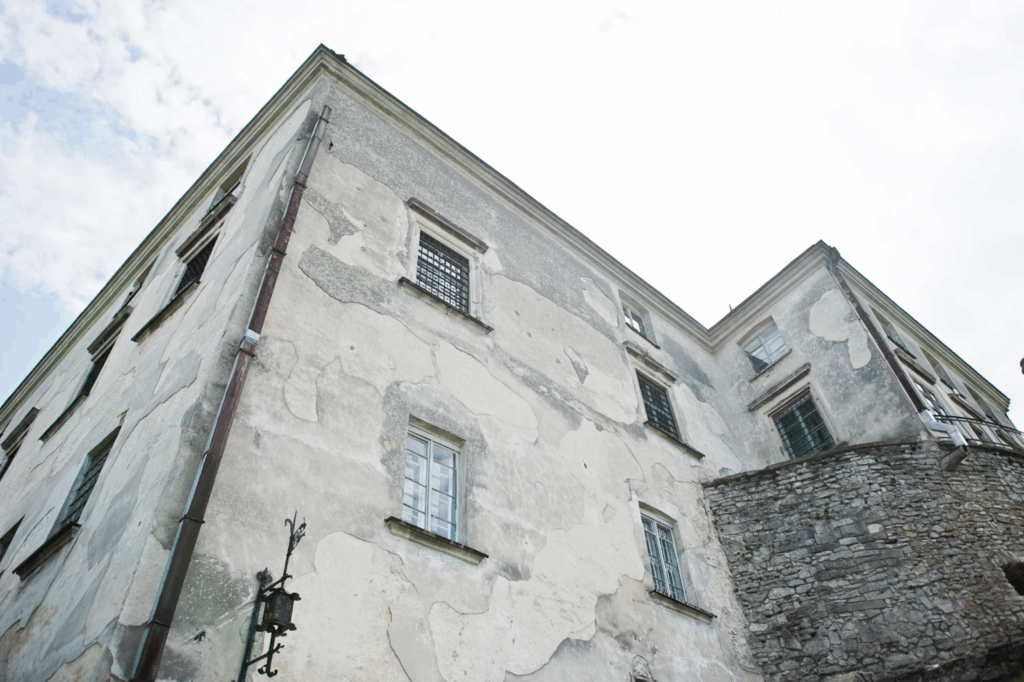
Efflorescence itself isn’t harmful. The substance is more of a cosmetic issue as it doesn’t damage structures or pose a health risk. With that said, efflorescence is an indication of underlying issues that could lead to bigger problems.
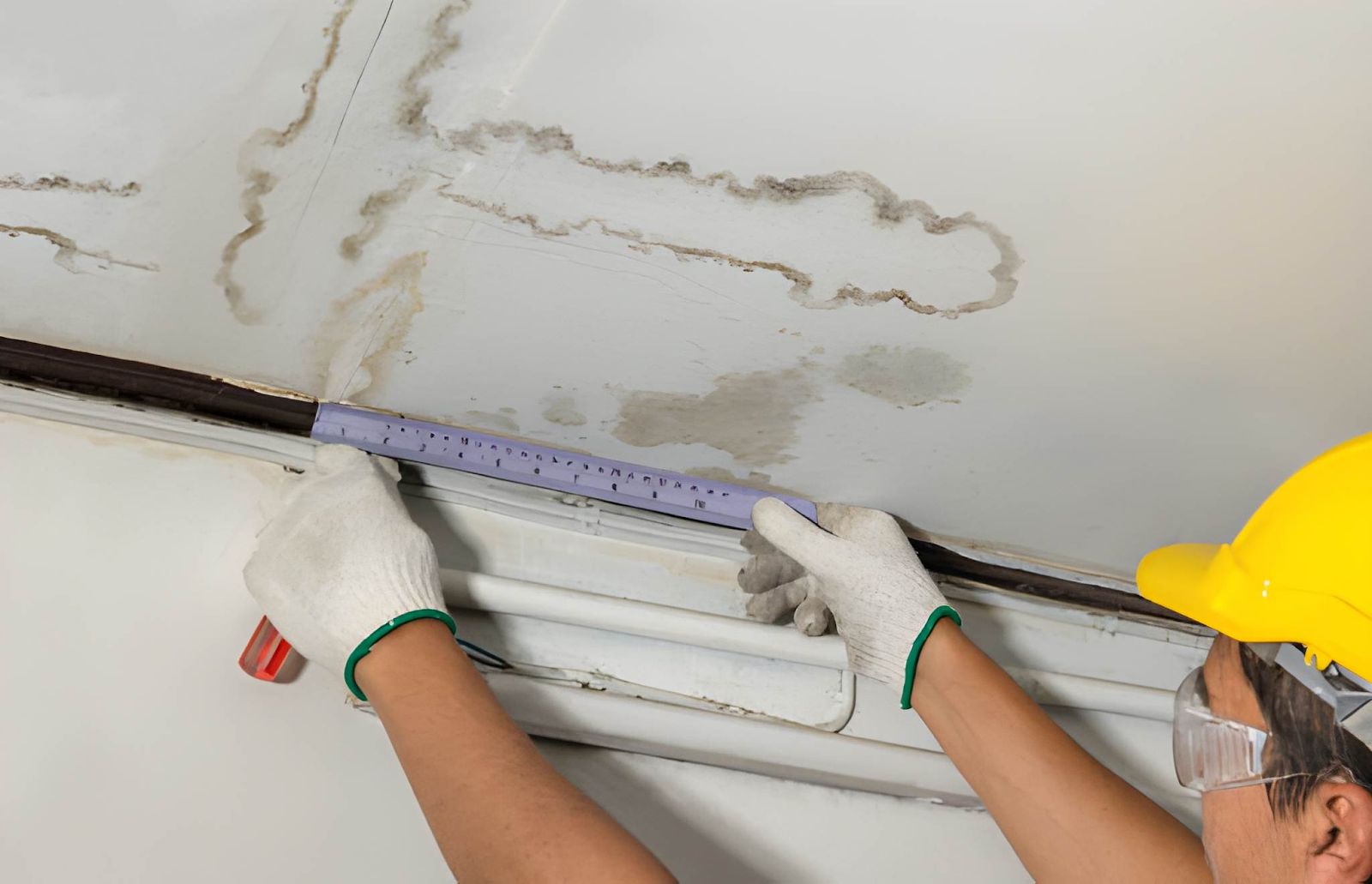
The presence of efflorescence means that moisture is finding its way through your walls, floors and tiles. This is the real concern as continuous water seepage can weaken the structure of concrete over time, causing paint or plaster to peel, and even promoting mould growth.
It can also lead to musty smells and discolouration in bathrooms or basements. Not to mention the possibility of ceiling leaks especially in HDB flats or condominiums. Ultimately, these issues will compromise the structure and appearance of your home, costing a ton of money to fix.
How to Remove Efflorescence
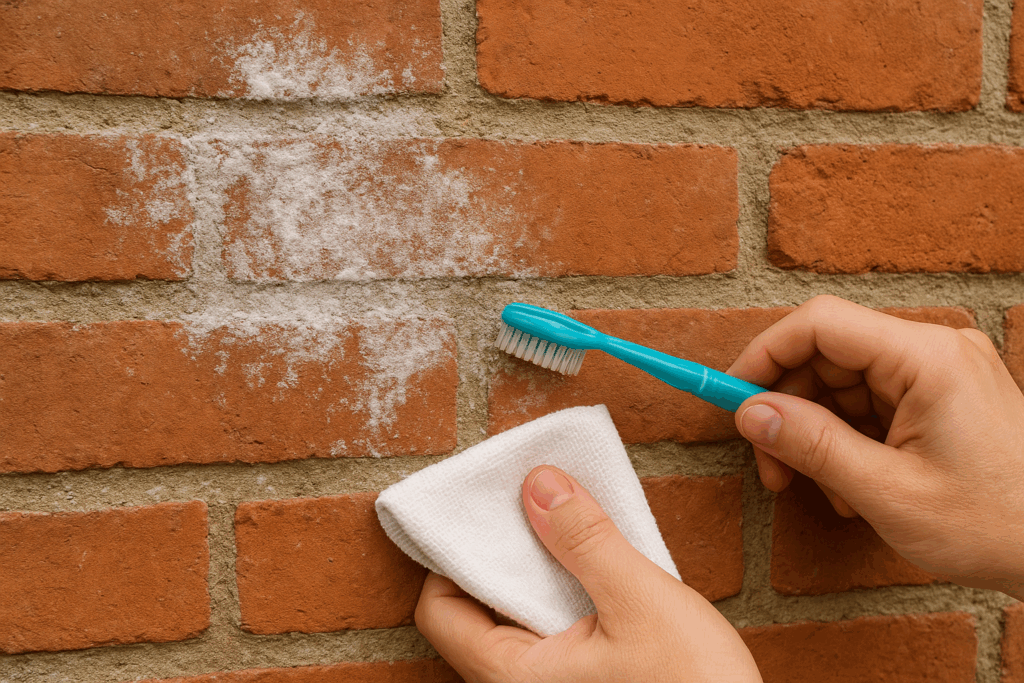
Efflorescence is relatively easy to remove. The simplest method is often just waiting for the rain to wash it away. If you must clean it as soon as possible, washing it with clean water or using a brush to dust it off will do the trick.
There are also specialised cleaners that can be used for more stubborn deposits. These cleaners have mild acidic properties that help dissolve the salts without damaging your surface.
How to Prevent Efflorescence
Waterproof Surfaces Properly: Using high-quality waterproof around your home is the most effective way to prevent efflorescence. Waterproofing will create a barrier that stops water from seeping into porous materials.
This helps block the movement of moisture that carries salts to the surface. Waterproofing is also much cheaper than fixing structural damages caused by moisture.
Properly Seal Porous Holes: Porous holes are small openings in materials like concrete and brick. Sealing them with a suitable filler prevents moisture from entering and reduces the risk of efflorescence.
Always inspect your house for any gaps and reseal them when necessary to prevent moisture from spreading.
Ensure Proper Drainage: Good drainage can help prevent water from pooling or soaking into surfaces. It makes sure that rainwater flows away from your walls and foundation through proper slopes or drainage channels.
For homes with balconies or patios, ensure floor traps are not clogged so that water can drain out efficiently instead of seeping into the flooring.
Fix Small Leaks Promptly: Even small leaks from plumbing or roofing can lead to persistent dampness. This creates the perfect environment for efflorescence to form. Regularly inspect for signs of water seepage, such as damp spots or mould growth.
Repair leaks immediately to stop moisture from spreading through the structure.
Use Low-Alkali Materials: When constructing or renovating, consider using low-alkali cement or materials with minimal soluble salts. These materials reduce the potential for efflorescence to occur, especially in new builds where moisture is still present.
Improve Ventilation: Proper airflow helps surfaces dry faster and reduces humidity indoors. Using exhaust fans or dehumidifiers in enclosed areas like bathrooms and toilets can keep moisture levels low.
This can prevent water vapour from settling on walls and floors, which could trigger efflorescence over time.
Conclusion
Efflorescence is a white, powdery substance that forms due to the movement of water in your walls, floors and tiles. While it may seem harmless, efflorescence is an indication of larger problems that need to be addressed.
It indicates the presence of moisture in your home, which can escalate to even bigger, costlier problems. As a home owner, ensuring proper waterproofing around your compound is one of the most effective solutions to prevent efflorescence.
To get a better understanding of your home’s current waterproofing condition, contact us today for a free inspection.
If needed, we can conduct waterproofing works with our proprietary SpongeFusion solution—guaranteed to stop water leakage in a few hours without any hacking works!
Visit vhwaterproofingsolutions.sg to find out more!