Bathroom waterproofing keeps water where it should stay. It blocks moisture from slipping into walls, floors, and the structure beneath your tiles. When this layer weakens, small leaks spread and hidden damage grows.
Many homeowners miss the early clues because the first signs look minor. They appear slow, then snowball. If you live in an apartment, especially in a humid area like Singapore, spotting these issues early protects your space and your wallet.
Need bathroom waterproofing for your house? Reach out to VH Waterproofing Singapore via contact form, WhatsApp, or email for more enquiries!
What Waterproofing Does in a Bathroom
A waterproofing membrane sits under your tiles and forms a barrier that stops water from passing into the layers below. It protects areas that take direct contact with water, such as shower walls, the bathroom floor, niches, corners, and the gaps around pipes.
When the membrane is intact, water stays on the surface and drains away.
Waterproofing can fail when materials age, when the bathroom is installed without proper sealing, or when the building shifts and creates small gaps. Normal wear from daily use also weakens the system.
Once the membrane breaks, moisture begins to move into the structure and creates issues that are hard to see from the surface.
Signs Your Bathroom Needs Waterproofing
If you’re unsure whether you need bathroom waterproofing in Singapore, these signs help you spot water movement before it spreads.
- Visible Moisture and Damp Issues
Damp patches that remain long after the bathroom dries point to water moving under the tiles. Moisture on the outside of the bathroom wall means water is travelling through unseen spaces. - Musty or Wet Odours
Smells that stay after cleaning often come from moisture trapped behind tiles or inside the wall cavity. You may notice this around corners or skirting boards. - Peeling, Bubbling, or Warped Paint and Wallpaper
When paint lifts or wallpaper changes shape, water is moving from inside the wall toward the surface. The issue often begins behind the visible layer. - Cracked, Missing, or Crumbling Grout
Gaps in grout allow water to slip under tiles. Once this happens, surface cleaning will not stop the moisture movement below. - Loose or Hollow-Sounding Tiles
Tiles that move or sound hollow when tapped show that the bond under them has weakened. Water often causes this loss of adhesion. - Mould and Mildew Growth
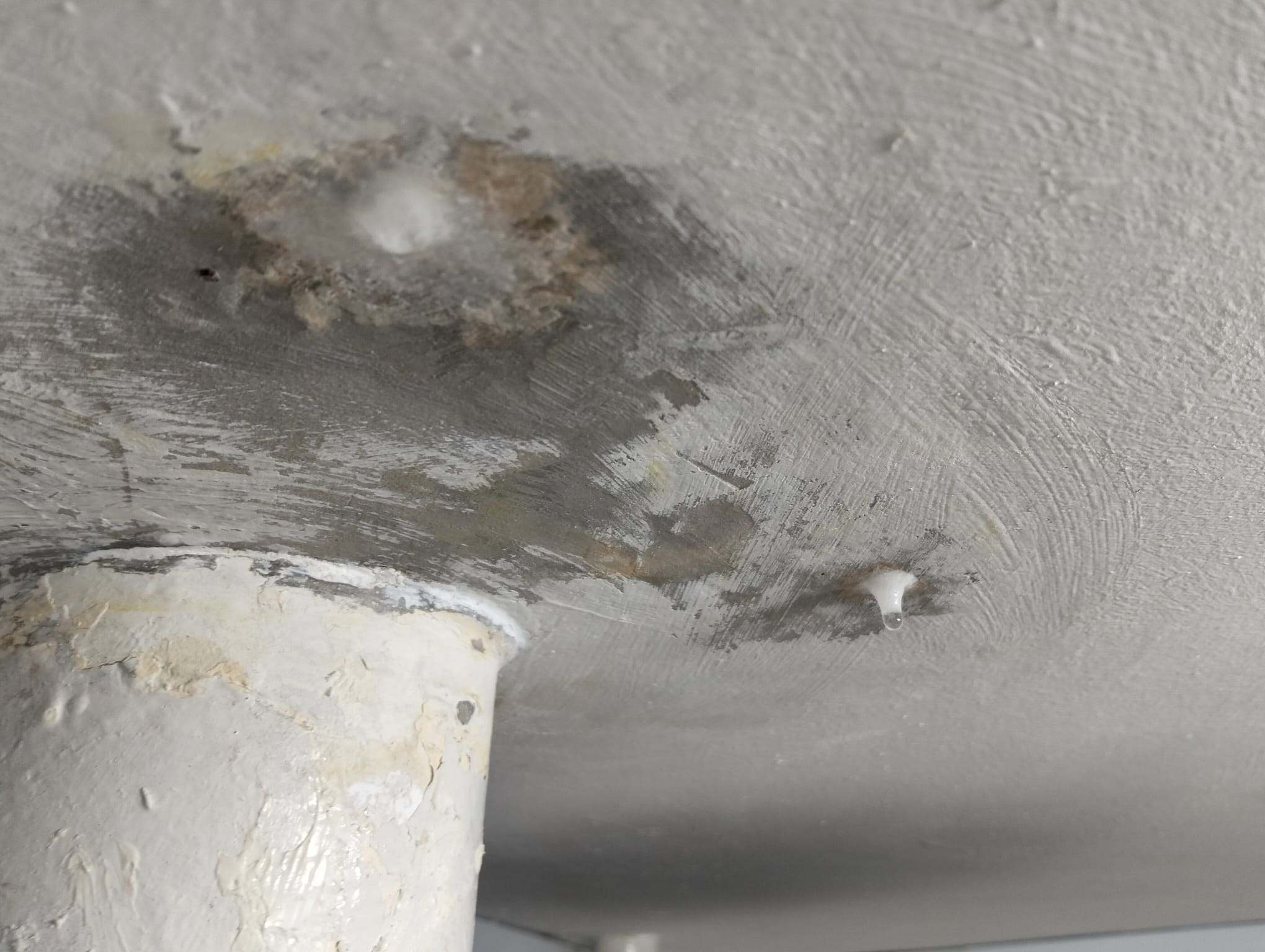
If mould returns soon after cleaning, moisture is likely feeding it from behind the tiles. Mould outside the bathroom also points to internal water escape. - Water Stains on Adjacent Rooms or Ceilings Below
Stains on ceilings or nearby walls show that water is travelling beyond the bathroom. Wood flooring near the bathroom may lift or swell. - Persistent Pooling or Slow Drainage
Water that gathers in one spot or drains slowly can indicate an improper slope or a failing membrane under the tiles. - Soft or Swollen Timber
Timber door frames, skirting boards, or cabinet bases that soften or swell have absorbed moisture. This often happens when water escapes from the wet area. - Gaps Around Fixtures and Pipe Penetrations
Cracks around taps, showerheads, and pipe outlets act as entry points for water. Moisture can slip through these openings into the wall cavity. - Rising Water Bills Without Explanation
Small leaks behind the tiles can increase water usage. If billing changes without new habits, hidden seepage may be happening. - Efflorescence on Tiles or Walls
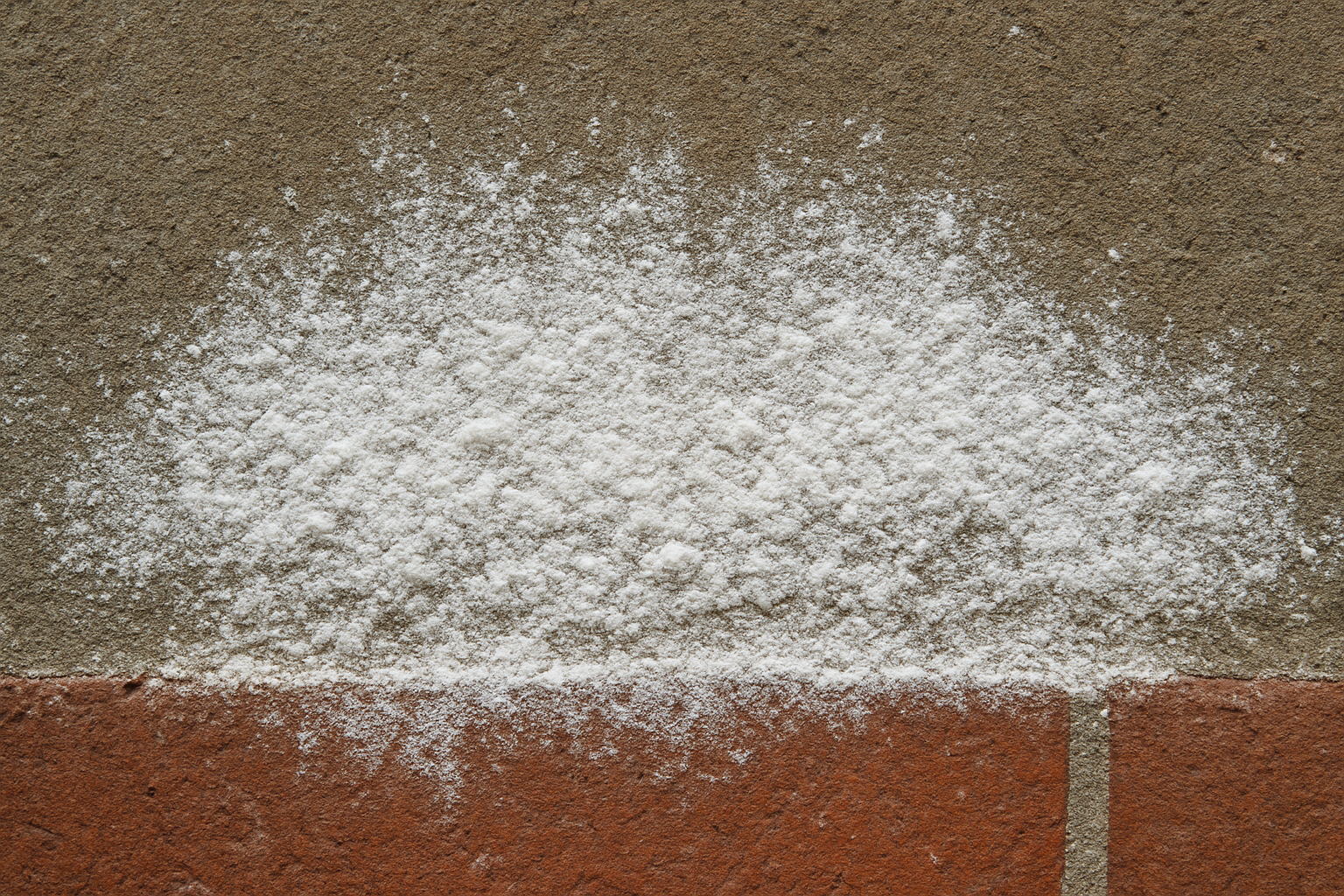
White chalk-like marks appear when moisture moves through tiles or walls and leaves mineral residue on the surface. - Deteriorating Silicone Sealant
When silicone pulls away or breaks, water can move behind shower screens, bathtubs, or sinks. These gaps allow moisture to reach the substrate.
Common Causes Behind These Signs
Issues that lead homeowners to seek bathroom waterproofing in Singapore often start with membrane failure. The membrane breaks down as it reaches the end of its lifespan, usually after ten to fifteen years.
Buildings shift over time, and this movement creates small gaps in corners and joints. If the floor slope was set incorrectly during installation, water gathers instead of draining away, which strains the membrane.
Strong cleaners can wear down grout and sealant, leaving open paths for moisture. Renovation work done without proper preparation also introduces weak points that allow water to escape.
Risks of Ignoring These Warning Signs
When moisture enters the structure, the layers inside the wall begin to weaken. Timber and cementboard can rot. Mould forms and spreads into the air you breathe. The floor substrate loses strength and may sink or crack. Repair costs rise because the work moves from surface fixes to full removal of tiles and damaged layers.
In flats and condos, water can travel into neighbouring units. This can lead to disputes, joint repairs, and insurance claims. A small leak can turn into a wide issue when left unaddressed.
When to DIY and When to Call a Professional
Some tasks are simple enough to handle on your own. Re-sealing silicone, filling small grout gaps, and replacing loose sealant are surface fixes you can manage with basic tools. These steps help slow water movement but do not repair deeper issues.
You should call a waterproofing specialist when tiles sound hollow, mould keeps returning, or stains show up in nearby rooms. These signs point to a damaged membrane. A professional checks moisture levels, tile adhesion, grout lines, pipe outlets, and floor slope.
They trace the path of the leak and confirm whether the membrane needs repair or full replacement. If you are comparing bathroom waterproofing services in Singapore, ensure the contractor inspects both the surface and the layers under the tiles.
Conclusion
Bathroom issues grow from small signs. Once moisture enters the structure, the damage moves fast. Look through the signs, check your bathroom, and take action when something feels out of place. An inspection or consultation helps you confirm the source before the problem spreads.
Reaching out early protects your home and keeps repair work simple. If you need support, explore bathroom waterproofing services in Singapore and choose a service that checks both the surface and the layers beneath it.
Need bathroom waterproofing for your house? Reach out to VH Waterproofing Singapore via contact form, WhatsApp, or email for more enquiries!